
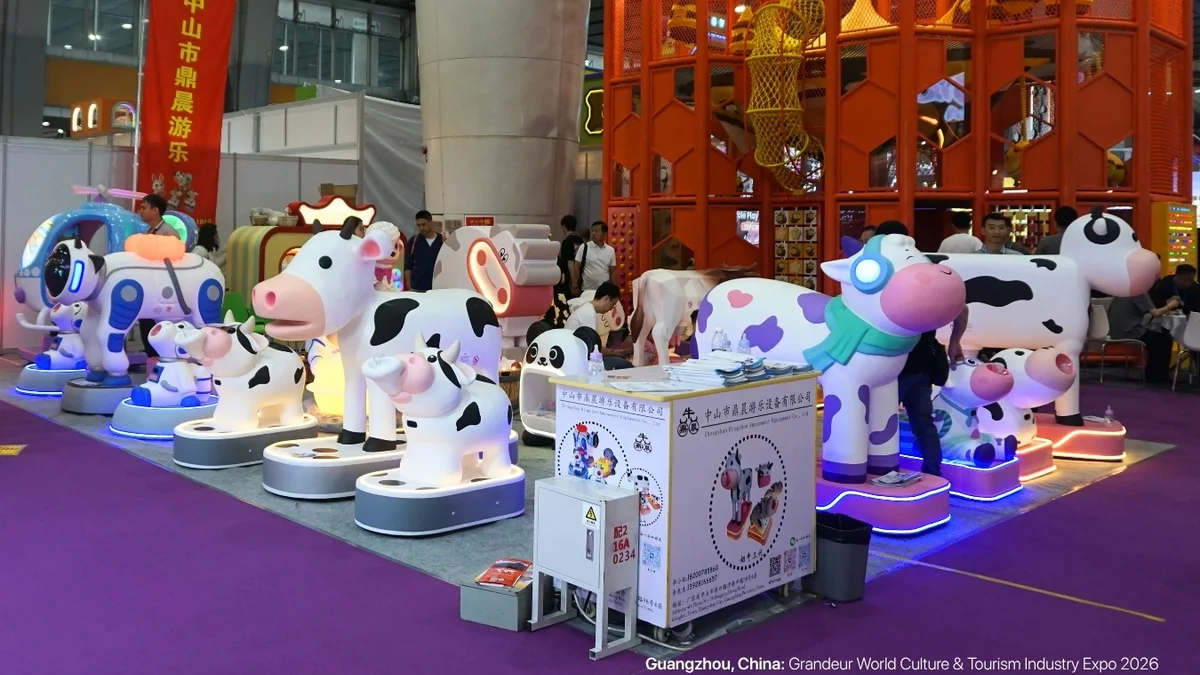
An IP collaboration can connect a brand, a physical experience and a product range, but the creative idea is only one part of the preparation. Before planning a pop-up activation or merchandise collection, the participating organisations need a shared understanding of the rights involved, the intended audience and the responsibilities of each partner.
For companies considering a collaboration in Indonesia, a structured brief can make the first discussion more productive. This guide is an educational planning framework, not legal advice. It introduces questions to resolve with rights holders, qualified advisers and prospective delivery partners before committing to production or publication.
1. Define the collaboration objective
Begin with the business purpose. Is the proposed activity intended to introduce a property to an audience, support a retail experience, create a limited product range or explore a longer-term partnership? Describe the intended customer experience before choosing the physical format.
Agree what success would mean for this particular project and how it could be observed. Use objectives that the partners can evaluate rather than promising a fixed increase in sales or awareness. A shared brief helps creative, commercial and operational teams discuss the same assignment.
2. Clarify ownership and permission roles
Identify the brand owner, relevant rights holder, any appointed representative, and the parties that would produce or distribute the work. WIPO distinguishes licensing, which gives permission to use intellectual property under agreed terms, from assignment, which transfers ownership. The distinction is a starting point for discussion, not a complete assessment of a proposed agreement.
Ask the authorised parties and their advisers to confirm the applicable permissions. Do not assume that possession of artwork, participation in a previous event or access to a character image allows a new commercial use. Record unresolved rights questions before developing material that could be mistaken for an approved collaboration.
3. Assemble an approved asset package
Request the brand guidelines and the assets authorised for the intended project. These may include logos, artwork, approved colour references, character-use guidance and required credit wording. Identify who controls the master files and who can approve adaptations.
Keep approved material separate from exploratory concepts. A practical asset register can show the file owner, intended use, approval status and any restrictions supplied by the rights holder. This is an operational suggestion for managing the project, not a statement that one document format satisfies every legal requirement.
4. Define the proposed use before discussing production
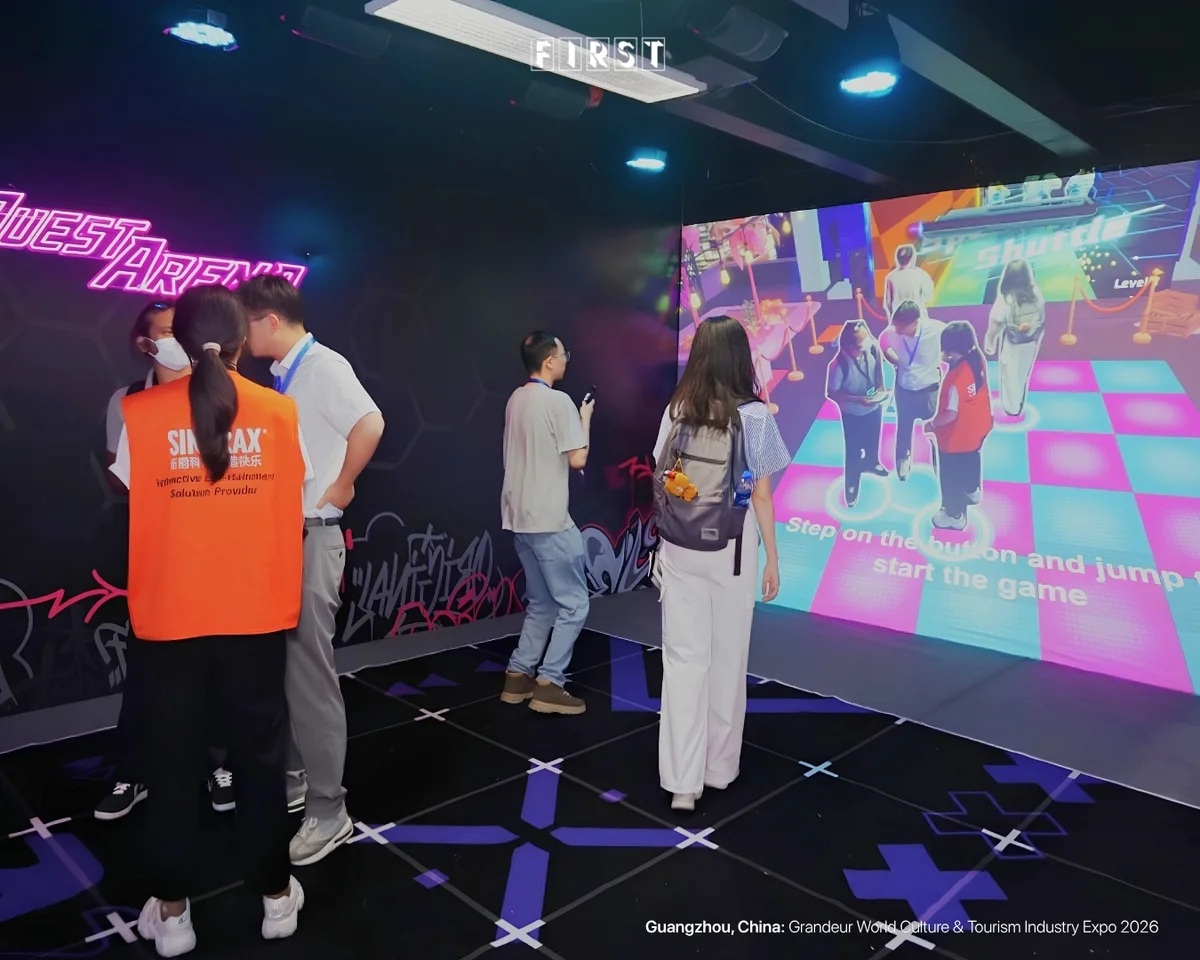
Describe the channels and formats being considered: a venue activation, pop-up store, themed installation, merchandise or supporting marketing materials. Ask the appropriate rights representatives to review the proposed territory, duration, product categories and distribution channels before the team treats them as permitted uses.
Do not fill missing commercial terms with assumptions. Pricing, royalties, exclusivity and contractual responsibilities require agreement between the relevant parties and, where appropriate, professional advice. This article does not recommend a standard royalty rate, establish licensing authority or prescribe Indonesian registration procedures.
5. Turn the activation idea into an operating brief
For a physical activation, consider the visitor journey, location, installation requirements, staffing and operational responsibilities. Ask how the experience relates to the brand and what practical constraints the venue has identified. Agree who reviews the concept before detailed design begins.
Thematic design and pop-up activation can be relevant to IP & Marketing capability discussions, but they are not interchangeable with generic exhibition-booth services. A physical booth may be one execution format; it does not define the whole business line or establish that licensed IP is involved.
6. Plan merchandise development and approval
Define the intended items, users, quality expectations and production assumptions. Ask the delivery team to identify what can be sampled, which elements require rights-holder approval and how changes will be documented. Resolve the design before treating a manufacturing estimate as a confirmed production commitment.
A suggested approval sequence is concept, artwork, sample, production authorisation and final inspection. The exact process should be agreed for the project. Keep visual simulations clearly labelled: an illustration in a presentation is not proof of a manufactured product, a completed campaign or permission to use a third-party character.
7. Assign partner responsibilities explicitly
Create a responsibility map covering rights coordination, creative review, sourcing, production, logistics, venue communication and customer-facing operations. The same organisation does not have to perform every role. What matters is that each task has a confirmed owner and a clear route for approval.
For international collaboration, discuss communication language, local adaptation and the handover between teams. Avoid assuming that a local implementation partner automatically owns the intellectual property or can grant permission on behalf of its owner. The agreed scope should distinguish coordination from legal authority and from production delivery.
8. Set review points before launch
Agree where the project will pause for decisions. Useful checkpoints can include concept acceptance, approved artwork, sample review, venue readiness and final checks of customer-facing materials. Identify who can authorise a change when a requirement cannot be met as originally proposed.
Keep an issue register for open items and record the impact of revisions on scope and readiness. A launch decision should be based on the permissions and deliverables actually confirmed, not simply on the existence of an attractive mockup or a provisional event slot.
9. Prepare for learning and controlled expansion
Before the activity begins, agree how the partners will review its operation. Depending on the agreed objective, the discussion may cover visitor feedback, product observations, operational issues or the suitability of the chosen format. Use the results to guide the next decision rather than assuming every concept should expand immediately.
Keep performance reporting separate from unsupported promises. Neither a licensing discussion nor an activation concept guarantees commercial success. A documented pilot can provide useful learning, but the partners should decide whether and how that learning supports a further collaboration.
Build a useful first-discussion pack
A brand owner could bring a one-page objective, the proposed audience, a list of intended formats and the contact responsible for rights approvals. Add only artwork that may be shared for this evaluation, and label all preliminary concepts. The prospective partners can then identify which parts need commercial, creative or legal review.
A clear pack also records what has not been authorised. This prevents a promising discussion from being described publicly as a confirmed partnership before the parties have agreed the relevant permissions and responsibilities.
Start with a potential collaboration, not an assumed service package
FIRST Indonesia is developing its IP & Marketing business line. Its company material outlines thematic spatial design, selected brand activations and pop-up formats, licensing coordination, and merchandising or product development. Availability, responsibilities and the scope of any assignment must be confirmed for the proposed collaboration.
Prepare your objective, rights-holder contact, approved assets and intended format before the first conversation. This allows the team to evaluate the opportunity without overstating what has already been agreed.
Discuss a Potential IP / Brand Collaboration with FIRST Indonesia. Obtain qualified legal advice separately where your permissions or contractual arrangements require it.