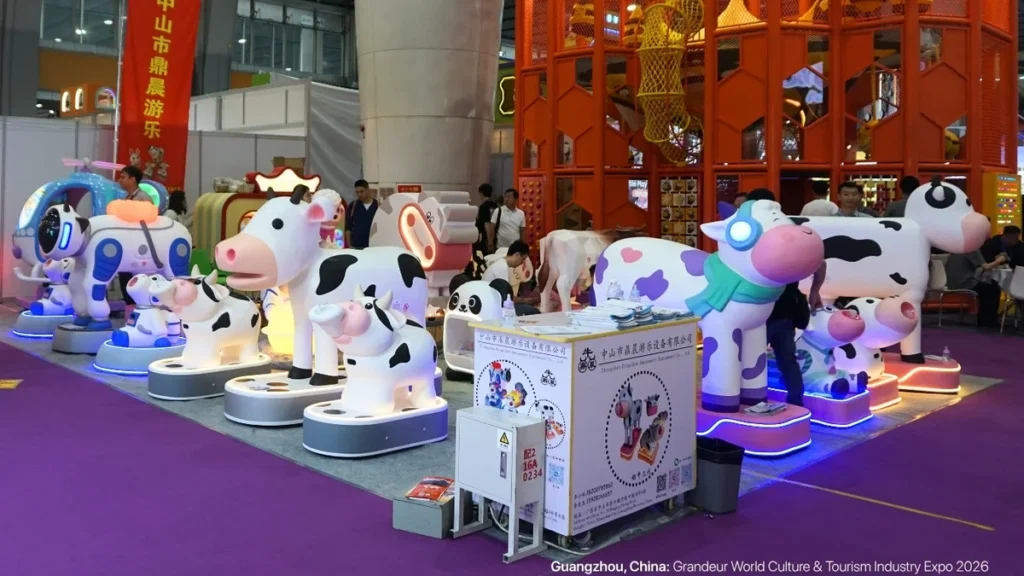
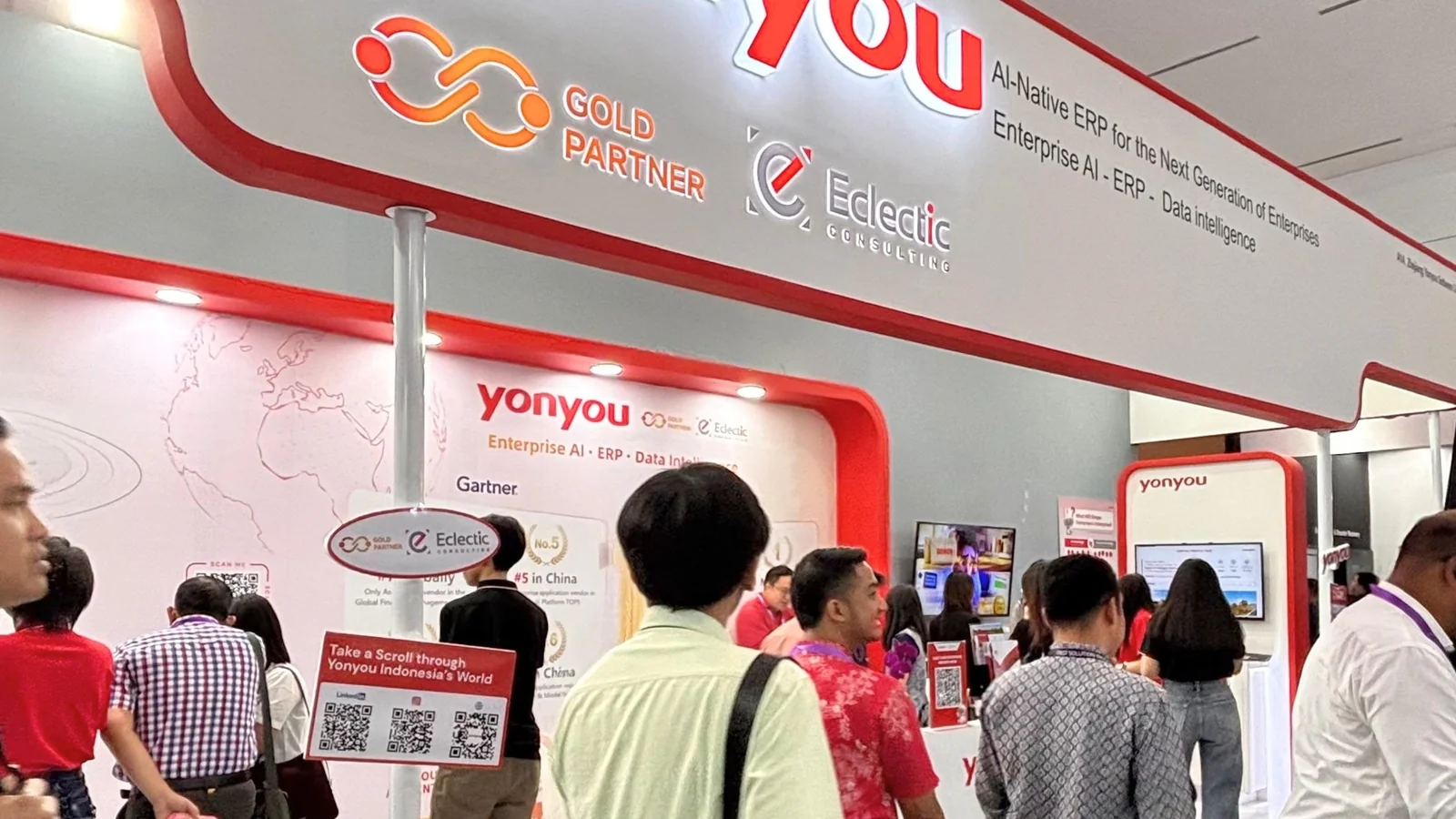
A pop-up can give people a short, focused encounter with a brand. The format might support a product introduction, a themed customer experience or a limited collaboration. A strong visual idea is useful, but the plan also needs a clear audience, permission to use the proposed assets and an operating model that fits the venue.
This guide is a starting checklist for brands and project teams considering a temporary activation. The right scope depends on the campaign, location and partners involved.
Define one primary objective
Write down what the activation is meant to achieve. Is the priority product discovery, audience feedback, qualified enquiries or participation in an experience? Choose a primary objective, then decide what evidence would show whether it was met. A campaign with several goals can still have one decision that guides the layout and measurement plan.
Describe the intended audience and the reason they would stop, enter and participate. This informs the location, message and staff approach. Avoid selecting a venue or display technology before the customer journey is clear.
Build the visitor journey
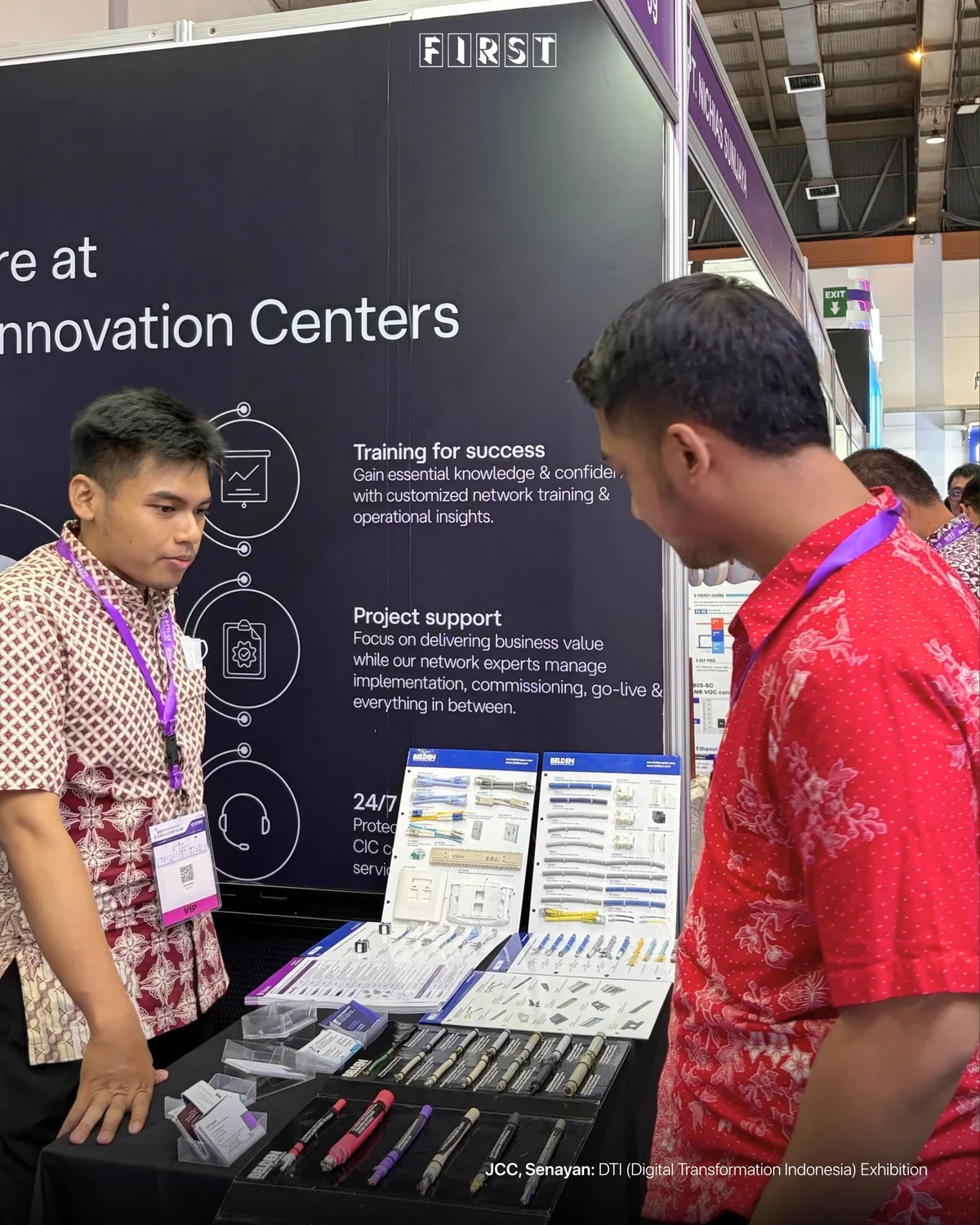
Map the experience from first sight to exit. What invites attention? What can people touch, see or learn? Where do they ask questions, make a purchase or leave contact details if that is part of the approved campaign? Keep the main action easy to understand and make queues or waiting areas part of the design.
Test the journey against real venue conditions: entrances, neighbouring tenants, power, loading, permitted hours and accessibility. A concept designed only for a presentation may need changes to work safely and comfortably in the chosen space.
Confirm brand and IP permissions
List every logo, image, character, artwork, product name and third-party property proposed for use. Ask the authorised owner or representative which uses are permitted and who approves the final design. A previous collaboration or access to an image file does not automatically permit a new activation.
If licensing or co-branding is involved, resolve territory, duration, channels and approvals with the relevant parties and qualified advisers. Keep exploratory mockups clearly labelled until the rights and final creative have been approved. This planning article does not give legal advice.
Turn the idea into a delivery brief
Record footprint, fixtures, signage, lighting, audio or digital elements, staffing, stock, cleaning and daily opening procedures. Identify which party supplies each item and who is responsible for installation, troubleshooting and removal. Ask the venue to confirm its requirements before the team commits to a build or opening date.
Prepare a budget with design, production, transport, venue, staffing, maintenance and contingency lines. Distinguish quotations from confirmed costs. Set review points for concept, artwork, production samples and site readiness so changes are identified before they become expensive.
Measure the experience fairly
Select measures that match the objective. These could include observed participation, visitor feedback, qualified enquiries or product interactions, depending on how the activity is designed and what data may lawfully be collected. Define who records results and how duplicates or casual passers-by are handled.
After the activation, compare results with the original objective and document operational lessons. Do not treat visitor counts alone as proof of sales or lasting brand impact. The review should help decide whether to adjust, repeat or retire the concept.
Prepare the first discussion
Bring a one-page campaign brief with objective, audience, proposed venue, intended dates, approved brand assets and named decision-makers. Mark unresolved permissions and operational questions. FIRST Indonesia’s Intellectual Property business line can be part of a discussion about a proposed brand experience; the exact role and delivery scope need confirmation for each project. Contact FIRST Indonesia to discuss the concept and site requirements.